Author

admin

Browsing

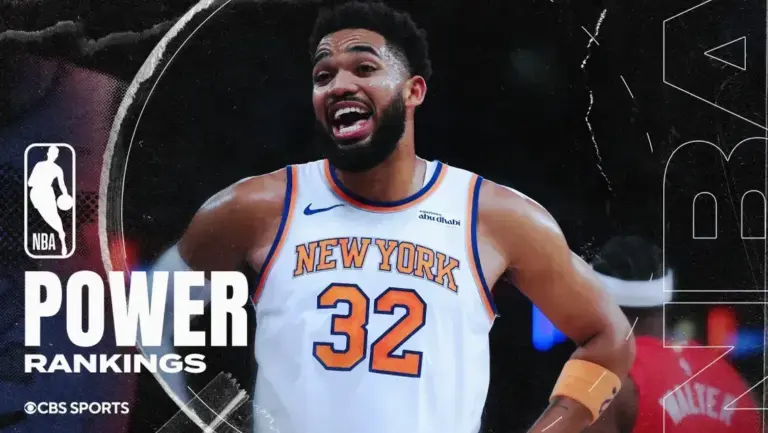
The landscape of the NBA has shifted dramatically heading into the new season, with the San Antonio Spurs claiming the top spot in the latest power rankings. After a stunning run that saw them take down Oklahoma City in a decisive Game 7 on the road during the conference finals, the Spurs have transformed from lottery hopefuls into legitimate title favorites. Much of this ascent rests on the shoulders of Victor Wembanyama, whose generational talent is expected to evolve further alongside rising stars Stephon Castle and Dylan Harper. While rumors of a De’Aaron Fox trade persist, San Antonio currently possesses a rare financial advantage, maintaining a luxury veteran presence while their core remains on affordable rookie contracts.

While San Antonio takes the crown, Oklahoma City remains a formidable threat lurking just behind them. The Thunder enter the year having already made their primary leaps, though they face some roster attrition following the loss of key pieces like Lu Dort and Isaiah Joe. The upcoming clash between Chet Holmgren and Wembanyama serves as the league’s premier subplot; if Holmgren can close the defensive gap with his nemesis in San Antonio, the balance of power in the West could easily swing back toward OKC.

In the Eastern Conference, the New York Knicks stand as the team to beat despite expectations of a grueling regular season. Carrying the heavy psychological burden of attempting to become the first repeat champions since 2018, New York may struggle through early-season chemistry hurdles and contract complexities surrounding Karl Anthony Towns. However, their proven ability to execute at a championship level provides a sense of collective calm that few other franchises possess, making them dangerous regardless of their win-loss record in November.

Elsewhere in the East, Philadelphia has assembled perhaps THE most talented starting lineup LeBron James has ever headlined. By pairing LeBron with Joel Embiid, Tyrese Maxey, and Jaylen Brown, Nick Nurse faces a fascinating mathematical puzzle regarding shot distribution and usage rates. Meanwhile, Toronto is riding high on vibes after swapping Brandon Ingram for Kawhi Leonard, creating a potent scoring duo with Scottie Barnes that makes Canada’s team a genuine contender once again. Even Boston continues to refine its machine under Joe Mazzulla, suggesting that while San Antonio may hold the spotlight today, any path to glory must go through several revamped superpowers.
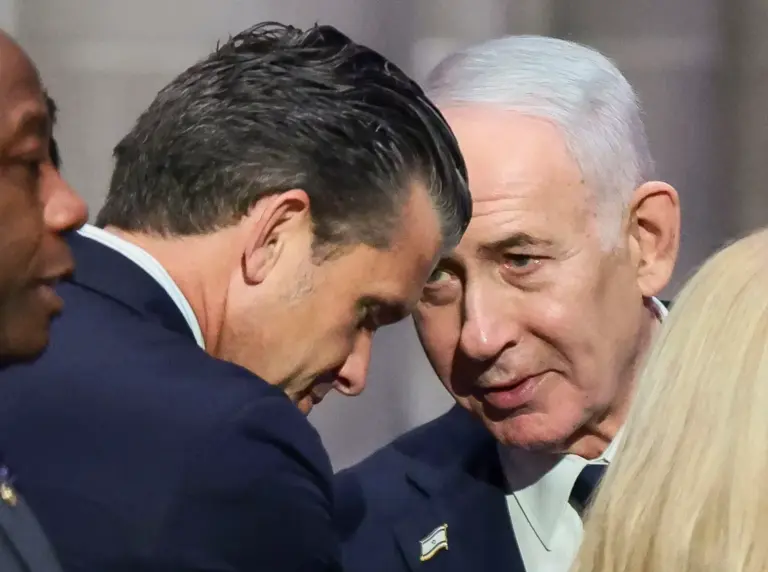
United States Defense Secretary Pete Hegseth conducted a surprise visit to Israel this week, meeting with Prime Minister Benjamin Netanyahu at the Uvda air force base in the southern Negev desert. While the Pentagon initially declined to comment on the trip, a spokesperson for the Israeli prime minister later confirmed the encounter, noting that the talks centered on regional threats and the strategic offensive and defensive partnerships between the two nations. During the meeting, Hegseth expressed gratitude for Israel’s role in hosting thousands of American service members stationed within the Central Command area of responsibility.

The timing of this clandestine visit is particularly significant as Netanyahu faces a high stakes election next week. According to officials, much of the conversation revolved around the deep personal bond between Netanyahu and President Donald Trump, who recently gave his complete and total endorsement to the Israeli leader. This diplomatic alignment suggests a shared vision regarding regional stability, specifically concerning a hardline approach toward Iran. In a recent statement, Netanyahu reaffirmed his commitment to eliminating the Iranian regime, claiming he has discussed these goals extensively with Trump.

Despite this show of unity from the top levels of leadership, there are slight cracks in the administration’s public front. While Trump has been vocal in his support for Netanyahu as a vital protector of Israel, Vice President JD Vance has distanced himself from the political fray. When questioned about whether he would offer his own endorsement ahead of the vote, Vance stated that he prefers to focus exclusively on American candidates and upcoming midterms rather than intervening in foreign elections.

As Israel prepares for a ballot that could see Netanyahu’s nationalist coalition lose its governing majority, Washington remains cautious about immediate military escalations. Although Trump has highlighted Iran’s economic and military vulnerabilities, White House deputy press secretary Anna Kelly clarified that there are no plans for an attack on Iran prior to the United States midterm elections. For now, Hegseth’s quiet journey into the desert serves as a powerful signal of continuity and mutual interest between two leaders facing their own respective political battles.

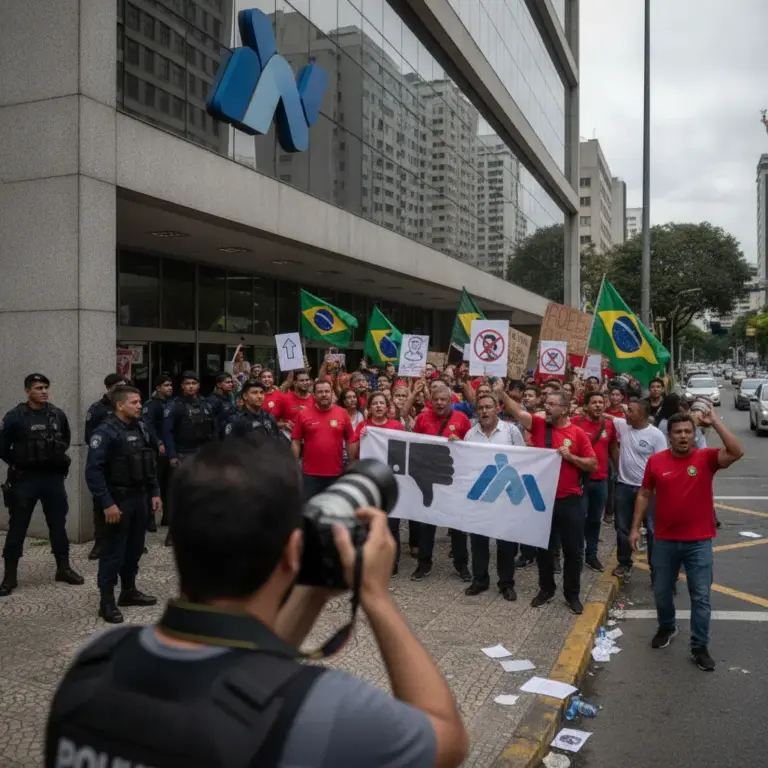
Tensions boiled over in Brazil this week as crowds of protesters converged on Meta’s headquarters, accusing the social media giant of manipulating its platforms to influence the national election. The demonstrations follow serious claims made by the political party of President Luiz Inácio Lula da Silva, which suggests that Meta’s internal algorithms were unfairly boosting the visibility of Senator Flávio Bolsonaro.

The accusations come at a critical juncture, centering on the period leading up to the presidential runoff election scheduled for October 25. Those protesting argue that the platform provided an undue advantage to Bolsonaro’s accounts, potentially skewing public perception and voter behavior through algorithmic preference during one of the most contentious electoral cycles in recent history.

Meta has moved quickly to shut down these claims, issuing a firm denial regarding any intentional bias. In an official statement, the company described the allegations of favoritism or interference on behalf of any specific candidate or political faction as entirely false and unfounded, maintaining that its systems operate without partisan intent.

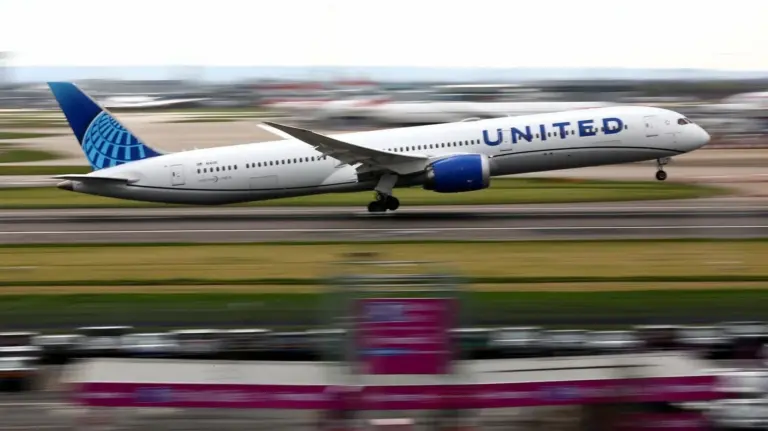
United Airlines is facing a difficult balancing act as soaring fuel prices eat away at its bottom line, forcing the carrier to significantly lower its profit expectations for 2026. The company revealed on Tuesday that it expects fourth quarter adjusted earnings to fall between 50 cents and 1.50 dollars per share, missing the mark set by Wall Street analysts who had anticipated 1.76 dollars. This downward revision brings the projected annual earnings far below the nine to eleven dollar range previously forecasted in July.

The primary culprit behind the slump is the volatile cost of jet fuel, which United expects will average around 4.80 dollars a gallon in the final quarter, a sharp increase from the 3.90 dollar average seen during the third quarter. These rising expenses have already taken a toll, with the airline’s quarterly fuel bill jumping nearly 62 percent over last year to reach almost five billion dollars. Despite these pressures, United managed to report a modest increase in net income for the third quarter ending September 30, totaling about 1.03 billion dollars.

Interestingly, travelers seem largely unfazed by the resulting hike in ticket prices. Both domestic and international revenues saw double digit growth, signaling that passengers are willing to pay more to stay on the move. Total passenger counts actually climbed more than two percent compared to previous levels, proving that demand remains resilient even as fares climb upward.

CEO Scott Kirby attributed these steady numbers to a focus on brand loyalty and praised his staff for navigating an unpredictable economic landscape. While the financial outlook suggests some turbulence ahead regarding margins and shareholder returns, the sheer volume of bookings indicates that consumers still view flying as a priority regardless of the shifting costs hitting the airline industry’s balance sheets.

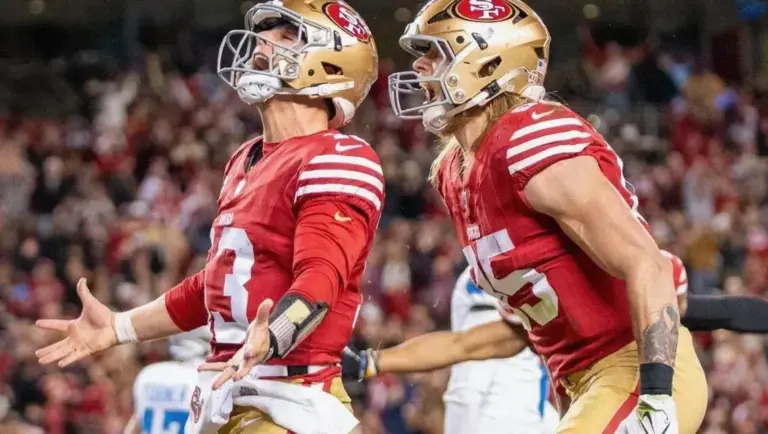
Monday Night Football returns with a clash between two teams heading in opposite directions. The San Francisco 49ers enter the contest looking to maintain their perfect record and potentially become the first team this season to reach six wins without a loss. On the other side, the Washington Commanders are struggling to find their footing at one win, three losses, and a frustrating tie. That draw against the Giants remains a sore spot for head coach Dan Quinn and rookie sensation Jayden Daniels, making tonight’s national spotlight a prime opportunity for Washington to erase those memories.

Despite the gap in records, betting experts suggest that taking the Commanders with seven and a half points could be a savvy move. While Brock Purdy is performing at an MVP level under Kyle Shanahan’s precision play-calling, Jayden Daniels possesses an electric quality that often shines in primetime settings. With Coach Quinn facing increasing pressure on his hot seat, there is significant motivation for Washington to keep this game close or perhaps pull off an upset that catches the league by surprise.

Looking beyond the point spread, several intriguing player props stand out for gamblers. Brock Purdy is highlighted as a sneaky rushing threat whose carry total offers value, especially since late-game kneel-downs can help push him over the edge. For Washington fans, rookie Antonio Williams appears undervalued in receiving yards given his growing chemistry with Daniels. Meanwhile, George Kittle remains a top target for any touchdown bets following his impressive recovery from injury, serving as a primary weapon in San Francisco’s red zone attack.

For those hunting higher payouts, Stefon Diggs represents an interesting lottery ticket to find the end zone for Washington. Although the Commanders have been inconsistent offensively, Diggs continues to flash brilliance and typically thrives under the bright lights of Monday night. Whether this becomes another dominant showcase for the powerhouse 49ers or a gritty comeback story for Daniel and Quinn, it promises to be far more compelling than recent Sunday night disappointments.

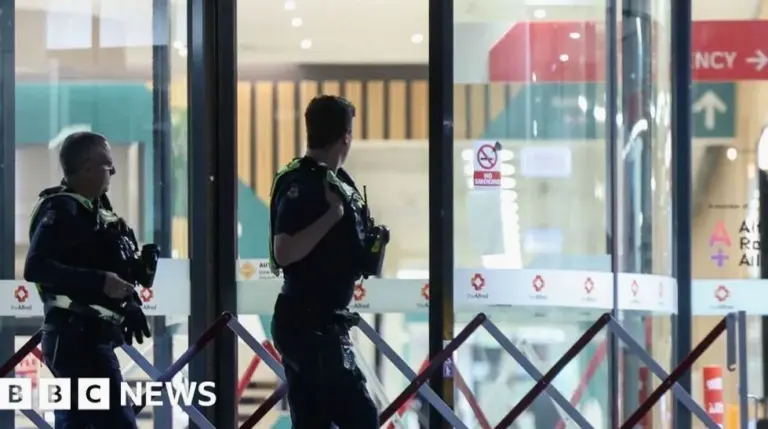
The shocking attack on Independent MP Helen Haines outside her regional Victorian office has shattered the long held belief that Australia remains immune to the political violence plaguing much of the democratic world. While the country often prides itself on a civil public discourse and a history devoid of high profile assassinations, Prime Minister Anthony Albanese suggested the incident was far from accidental. With police guarding the hospital where Haines is being treated and federal counter terrorism squads assisting in the investigation, the event serves as a grim realization of warnings that have been mounting for years.

For those inside the halls of power, this escalation comes as no surprise. Government statistics recently revealed over a thousand reports of harassing and threatening behavior toward high office holders in a single year. From female MPs receiving threats of sexual violence to prime ministerial residences facing bomb scares, the atmosphere has grown increasingly volatile. Experts suggest that a toxic cocktail of socioeconomic strain, deteriorating mental health, and a carcinogenic online environment has eroded social cohesion, turning personal grievances into catalysts for radicalization.

Professor Josh Roose of Deakin University argues that while external pressures are significant, the political class has also played a role by crossing once sacred boundaries regarding how opponents are targeted. This shift is evident across the ideological spectrum, creating an environment where harassment is becoming normalized. Mike Burgess, head of Australia’s intelligence agency, had previously compared this rise in volatility to climate change, noting that while specific attacks cannot always be predicted, the overall likelihood of political violence has increased dramatically.

Beyond the immediate security concerns for lawmakers and journalists, there is a deeper fear that this trend will permanently alter Australian democracy. For decades, it has been common for citizens to encounter their representatives casually at supermarkets or sporting events without formality or fear. Prime Minister Albanese expressed profound concern that such accessibility might disappear if politicians are forced behind walls of security. The tragedy lies in the possibility that a cornerstone of Australian civic life—the ability for leaders to simply walk among their constituents—may now be under existential threat.

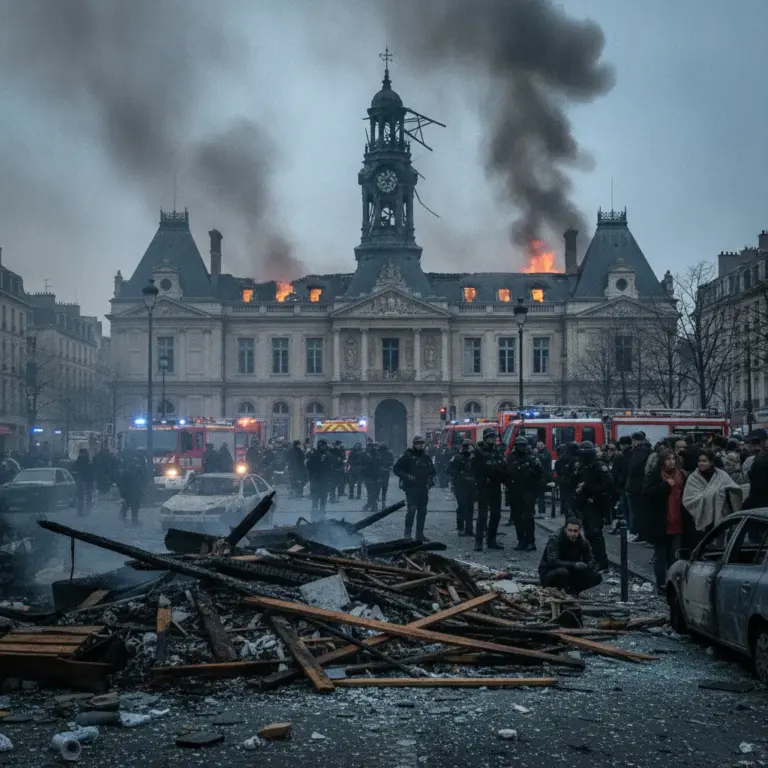
French Prime Minister Sebastien Lecornu admitted on Monday that the nation is facing a complete mess, though many believe that description barely scratches the surface. Widespread rioting over the weekend left major cities like Paris, Marseille, and Bordeaux scarred by looting and arson, including the collapse of a historic clock spire at the city hall in Limoges. With roughly 2,400 arrests made during this latest wave of violence, the chaos follows weeks of student protests fueled by crumbling infrastructure and bleak job prospects. As Interior Minister Laurent Nuñez offered his resignation over the security failure, the atmosphere in France has shifted from mere civil unrest to a palpable sense that the state has lost control.

The volatility on the streets mirrors a deeper political paralysis within the halls of power. President Emmanuel Macron recently condemned the violence in a televised address, yet he failed to provide a concrete roadmap for recovery before departing for a diplomatic trip to the Gulf states. This perceived vacuum of leadership has ignited a fierce blame game among political rivals. While far-left leader Jean-Luc Mélenchon accuses the government of inviting chaos through poor policing, far-right frontrunner Marine Le Pen has seized on the moment to frame the violence as a consequence of uncontrolled migration from impoverished urban suburbs. With Le Pen currently leading in the polls ahead of next spring’s presidential election, many fear that France is sliding toward an era of hardline governance born out of desperation.

Beyond the smoke and sirens lies a systemic economic rot that leaves whoever wins the next election with almost no room to maneuver. An overwhelming majority of citizens now view their country as being in decline, reflecting a mood of national defeatism exacerbated by stagnant growth and skyrocketing inflation. The financial outlook is particularly grim; France is grappling with one of Europe’s heaviest debt burdens, with government debt hitting 119 percent of GDP. Investors are increasingly jittery as political deadlocks prevent any meaningful budget reform, driving up bond yields and threatening further instability.

Analysts warn that this intersection of social rage and fiscal fragility creates a dangerous cycle where neither side can find common ground. The evaporation of the political center has allowed extremists on both ends to feast on public frustration, turning every protest into a campaign rally and every policy debate into a cultural war. For a nation defined by its historical pursuit of grandeur, France now finds itself trapped between an ungovernable street and an insolvent treasury, wondering if it possesses any remaining tools to mend its fractured republic before another winter of discontent arrives.

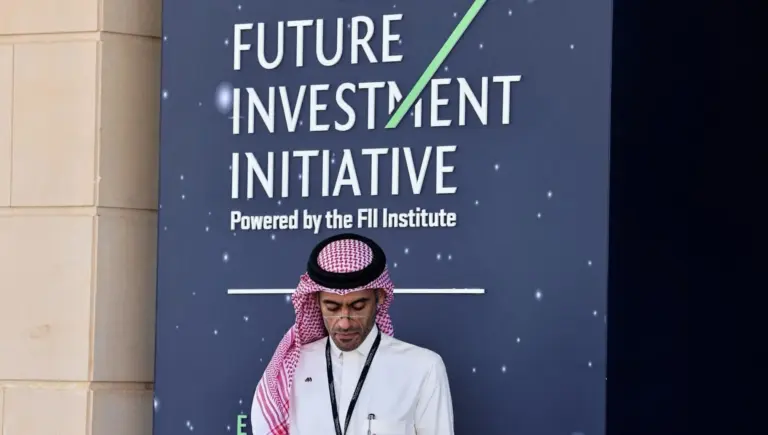
Saudi Arabia has pushed back its premier global investment gathering until 2027, citing a dangerous surge in militant activity within the region. The Future Investment Initiative, which was slated to begin on October 26 in Riyadh, serves as a cornerstone for the kingdom’s efforts to move away from an oil dependent economy. Organizers announced the delay shortly after a series of devastating attacks carried out by Iran backed Houthi rebels, including a strike on King Khalid International Airport that left twelve people dead and hundreds more wounded.

The postponement represents a significant blow to the event’s prestige, as it was set to host some of the most powerful figures in global finance. Industry titans such as JPMorgan Chase CEO Jamie Dimon and BlackRock’s Larry Fink were among those scheduled to speak. The volatility of the current environment became so acute that some attendees had reportedly arranged complicated travel itineraries involving flights into neighboring Bahrain followed by long drives to reach the capital safely.

Military officials say they continue to intercept missiles and drones targeting critical infrastructure, ranging from regional airports to Saudi Aramco oil facilities along the Red Sea coast. While the Saudi military claims several successful interceptions over the weekend, Houthi militants maintain they are continuing their campaign against strategic sites across the country. This escalating violence reflects a broader deterioration of stability in the Middle East as tensions between US and Iranian interests spill over into surrounding territories.

Since its inception in 2017 under Crown Prince Mohammed bin Salman, the summit has been used as a stage to unveil massive projects like NEOM and attract foreign capital. By delaying the event for nearly three years, Riyadh is acknowledging that international investors may be unwilling to enter a zone where high profile targets remain under constant threat. For now, organizers have promised that new dates for 2027 will be released soon once conditions improve.

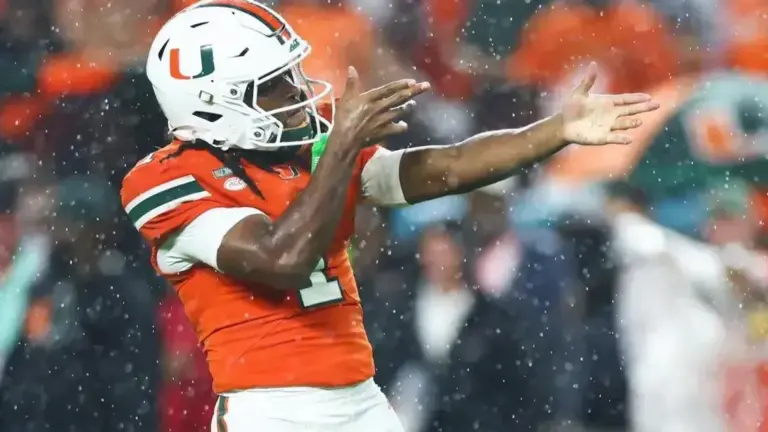
The landscape of college football shifted violently this past weekend, resulting in one of the most volatile upheavals in the history of the Associated Press Top 25 poll. In an unprecedented turn of events, five of the top eight teams suffered defeats on a single Saturday, clearing a path for the undefeated Miami Hurricanes to claim the number one spot. This marks the first time since 2002 that Miami has sat atop the rankings, leaping over Georgia, who tumbled to fifth place following a heartbreaking last-second loss at home against an unranked Auburn squad.

While Miami took the crown, BYU emerged as the big winner of the weekend’s instability. The Cougars surged to number two after securing a high-profile victory over Notre Dame, though the result remains shrouded in controversy. Despite a post-game admission from Big 12 officials that timing errors occurred during the final seconds, voters rewarded BYU with substantial respect. Their rise helps propel the Big 12 into a position of power, as the conference now boasts three teams in the top ten, surpassing even the heavy hitters of the SEC.

Speaking of the SEC, once considered an impenetrable fortress at the top of these polls, the conference appears to be cannibalizing itself under a grueling nine-game league schedule. Last week’s dominance vanished as Georgia, Texas, and Alabama all tasted defeat, leaving Ole Miss as the lone survivor among their elite ranks. With no unbeaten teams remaining in the SEC, analysts expect further volatility as these programs struggle to maintain consistency amidst such relentless internal competition.

Beyond those headlines, some unexpected stories are beginning to define this season through remarkable coaching turns around. At UCLA, Bob Chesney has transformed a struggling program into a six-zero powerhouse currently sitting at number nine and eyeing a playoff berth. Similarly, Kentucky has become an unlikely force under Will Stein; starting six-one in a brutal SEC environment with wins over traditional giants like LSU and Texas A&M suggests that both coaches may be early favorites for national honors by mid-season.

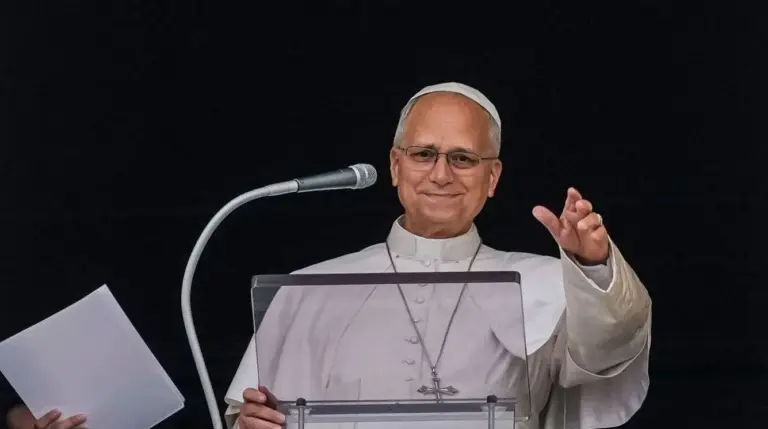
Thousands of faithful gathered in St. Peters Square on Sunday to welcome back Pope Leo XIV, who appeared at the window of his Apostolic Palace study for the traditional noon blessing. The appearance came just one day after the 71 year old pontiff returned from Gemelli hospital, where surgeons successfully removed a malignant tumor from the lower lobe of his right lung on Tuesday. As he looked out over the cheering crowd, the pope thanked them for their prayers during what he described as a delicate phase of his life, stating that he intends to gradually resume his official duties with Gods help.

Despite having undergone major surgery only days prior, the popes voice sounded strong as he reflected on his time in the hospital. He noted that the ordeal brought him closer to those suffering from illness and infirmity and expressed deep gratitude toward the medical staff who cared for him. The emotional scene included members of an African delegation dancing in celebration of his recovery, while pilgrims from across the globe shared stories of relief and faith upon seeing him again. For many, including American tourists visiting their first US born pope, his quick return felt like little short of a miracle.

Medical reports confirmed that the tumor was adenocarcinoma, though histological tests are still being conducted to determine if further treatments such as chemotherapy or immunotherapy will be necessary. Despite these pending results, lead surgeon Dr. Stefano Margaritora indicated that there are no clinical reasons to cancel the popes upcoming diplomatic mission to South America scheduled for November. With an ambitious itinerary involving several flights and high altitude travel to Uruguay, Argentina, and Peru, doctors say they expect a full physical recovery within ten days given how much effort the pontiff has poured into his rehabilitation.