Author

admin

Browsing

College football reaches a fever pitch this Saturday as Week 4 delivers what is shaping up to be the most consequential weekend of the 2026 season. Fans are treating this slate like a playoff preview, featuring six high stakes clashes between ranked opponents. The bulk of the action is concentrated in the SEC and Big Ten, offering a gauntlet of matchups that will likely reshape the national rankings and determine which programs remain viable contenders for the postseason.

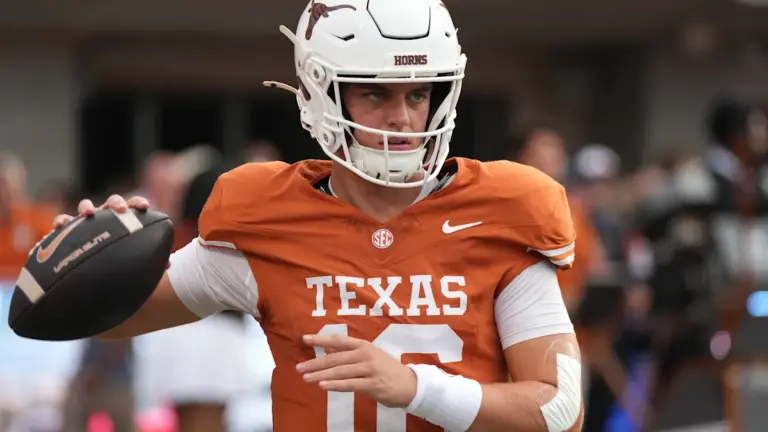
The marquee battle sees Texas travel to face Tennessee in a clash where bragging rights over the UT acronym are on the line. All eyes will be on Tennessee’s true freshman sensation Faizon Brandon, who has navigated his first three starts without an interception while accounting for nine total touchdowns. While the Volunteers have dominated on the ground recently, they now face a Longhorns defense that has stifled opposing run games all season. Meanwhile, Arch Manning and the Texas offense look to test a Volunteer secondary that has been remarkably stingy with passing yardage thus far.

Elsewhere in the SEC, Florida enters its matchup against Ole Miss riding a wave of momentum under new head coach Jon Sumrall. The Gators feature one of the nation’s most dangerous weapons in running back Jadan Baugh, whose explosive average of 8.5 yards per carry could exploit an Ole Miss defense that has struggled to stop the run against conference foes. The Rebels enter as favorites but face potential distractions following an emotional victory over LSU, compounded by uncertainty surrounding star running back Kewan Lacy’s surgically repaired shoulder.

In a complete contrast of styles, Michigan and Iowa prepare for a gritty defensive struggle expected to produce one of the lowest scores of the weekend. Iowa continues to lead the country in scoring defense, though they show signs of offensive evolution under former Auburn quarterback Hank Brown. For Michigan, the focus remains on whether their offense can maintain its recent spark or if it will return to its previous struggles when facing a Hawkeye unit designed specifically to shut down everything moving toward the end zone.

Finally, desperation defines the meeting between Texas A&M and LSU as both teams seek redemption after disappointing Week 3 performances. With Texas A&M mourning the season ending injury of receiver Terry Bussey and LSU quarterback Sam Leavitt struggling with turnovers, this game serves as a critical crossroads. Because a loss would drop either team to 2-2 and potentially extinguish their playoff dreams, expect these two programs to play with an urgency usually reserved for November afternoons.


Newly discovered archival records in Munich are reigniting a decades old mystery surrounding the death of Geli Raubal, the niece of Adolf Hitler. For years, the official narrative maintained that the twenty three year old woman committed suicide via a gunshot wound in September 1931 while Hitler was away in Nuremberg. However, a recent investigation by Der Spiegel reveals that historian Harald Sandner has uncovered documents suggesting Hitler’s alibi may have been manufactured. Local death registries and several death notices indicate that Raubal’s body was actually found on September 18, a day when Hitler was confirmed to be present in Munich.

The discrepancies suggest a potential cover up orchestrated by police officers who were sympathetic to the rising Nazi movement. While there is no definitive forensic proof of murder, the timing shift places Hitler at the scene during a period defined by extreme volatility between the two relatives. It is well documented that Hitler exerted an oppressive level of control over Raubal’s life, including her movements and social interactions. Reports from the era suggest the pair had engaged in a fierce argument shortly before her death because Hitler refused to let her move to Vienna.

At the time of her passing, contemporary rumors already hinted at something more sinister than suicide. Left wing publications in Munich claimed that Raubal had visible injuries on her body and alleged that Nazi officials held emergency meetings to manage the public fallout. Although Hitler vehemently denied any involvement at the time, these new findings lend weight to historical suspicions that he may have played a direct role in her death or ordered it to maintain his grip on her life.

The tension between the executive branch and the press reached a boiling point recently after President Donald Trump announced a ban on several major news organizations. The move targeted outlets including CNN, MSNBC, and Politico, effectively stripping their journalists of the credentials needed to report from within the halls of power. This sudden restriction sparked immediate backlash from advocates of press freedom who argued that such bans undermine democratic transparency.

However, the lockout did not last long thanks to swift legal intervention. A federal judge stepped in to resolve the dispute, issuing an order that required the Trump administration to temporarily reinstate the revoked press badges. This judicial mandate forced the White House to reverse its decision and allow reporters back onto the grounds to resume their duties.

By Thursday at noon, members of the banned networks were officially permitted back into the White House. While the restoration of access provides a temporary reprieve for these journalists, it highlights an ongoing struggle over how media access is managed during periods of intense political friction. For now, those stripped of their badges can once again walk through the doors they were previously barred from entering.

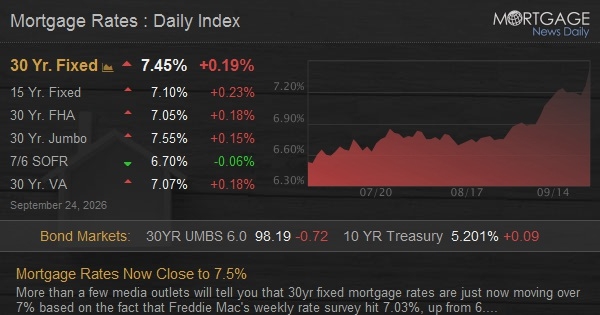
Homebuyers looking at current listings may find themselves facing a harsher reality than some headlines suggest. While several media outlets are reporting that 30 year fixed mortgage rates have only recently crossed the 7 percent threshold, those numbers often rely on delayed surveys that don’t reflect the immediate market. For instance, recent figures from Freddie Mac show a slight uptick to about 7.03 percent, but because that data is an average taken over a five day period, it fails to capture the rapid climb happening in real time.

The truth is that the 7 percent mark was actually breached weeks ago, and since then, rates have continued to surge. Daily tracking indices now place the actual cost of borrowing closer to 7.45 percent. While some lenders might still quote rates in the high six percent range to attract customers, these offers typically require significant upfront costs or points to buy down the rate. When comparing these quotes on an apples to apples basis without those hidden fees, the trend line is clearly pointing upward toward 7.5 percent.

This sudden spike is being driven by a perfect storm of economic pressures including rising oil prices and unexpectedly strong economic data. These factors have fueled fears that the Federal Reserve will need to accelerate its path of interest rate hikes to combat inflation. With more economic reports due next week, borrowers remain anxious that further volatility could push monthly payments even higher, making an already tight housing market feel increasingly out of reach for many families.

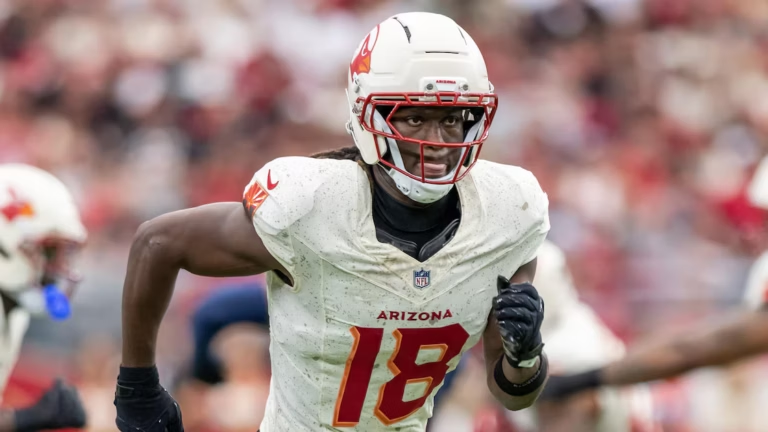
The Arizona Cardinals may be facing a difficult decision regarding the future of star wide receiver Marvin Harrison Jr. following a dismal start to the 2026 NFL season. According to reports from ESPN’s Dan Graziano, executives across the league are beginning to wonder if Phoenix might explore trade options for the former fourth overall pick. The speculation stems from Harrison’s startling lack of productivity early in his third professional campaign, coupled with the looming reality that he becomes eligible for a contract extension after this year. Given his current output, analysts suggest the front office may struggle to justify a massive payday for a player who hasn’t yet lived up to the hype.

The numbers paint a bleak picture for Harrison, who has managed only a single reception for 33 yards through the first two games of the season. His struggles were on full display during a blowout loss to the Seattle Seahawks, where he failed to record a catch despite limited opportunities. While head coach Mike LaFleur defended his receiver’s work ethic and insisted that poor timing rather than poor effort is to blame, it is clear that other players have become priority targets in the offense. Tight end Trey McBride continues to dominate the passing attack under quarterback Jacoby Brissett, while veterans like Kendrick Bourne and recently extended Michael Wilson Jr. have seen significantly more action.

Despite these growing rumors, LaFleur remains hopeful that things will turn around as the season progresses, noting that different defensive schemes may open up more windows for Harrison moving forward. However, since both McBride and Wilson Jr. are already locked into long term deals, the Cardinals possess enough stability at those positions to realistically consider moving on from their high profile young asset if necessary. As Arizona prepares for a tough road test against the undefeated San Francisco 49ers, all eyes will be on whether Harrison can spark his offense or if he is simply playing out his final days in the desert before being shipped elsewhere come November.

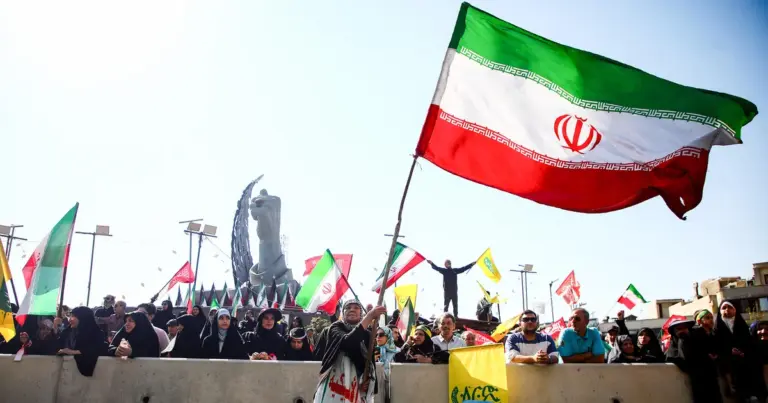
The United States and Iran have engaged in their first direct discussions since June, attempting to navigate a volatile diplomatic landscape marked by threats of total destruction and escalating economic warfare. These latest talks come amid a climate of extreme tension, following aggressive rhetoric from President Trump regarding the future of the Iranian regime and a series of strategic military confrontations in the Middle East. While both nations have signaled a willingness to communicate, the gap between their demands remains vast, leaving the region on edge as they debate the fate of critical shipping lanes and nuclear ambitions.

At the heart of the dispute is the Strait of Hormuz, where a U.S. naval blockade has created a geopolitical choke point. During recent interactions at the United Nations General Assembly, Iranian President Masoud Pezeshkian insisted that while Tehran is ready for diplomacy, it will not bow to bullying or accept the language of force. Conversely, the White House has maintained a hardline stance, with officials describing Trump’s approach as courageous and necessary to prevent an evil regime from acquiring nuclear weapons. This ideological clash was further highlighted when Germany’s foreign minister urged Iran to engage more constructively and unconditionally reopen the strait to ensure global maritime safety.

While diplomats talk, international pressure on Tehran is intensifying through a wave of coordinated sanctions. Canada recently targeted several senior Iranian officials and state entities in response to the brutal suppression of domestic protests, citing systemic human rights abuses and illegal surveillance. Simultaneously, the United Arab Emirates took decisive action by sanctioning local branches of Bank Melli over allegations involving money laundering and terrorism financing. These moves reflect a broader strategy by Western allies to squeeze Iran economically as leverage for concessions in ongoing negotiations.

Despite these pressures, Tehran appears unwilling to compromise on its core requirements for peace. Senior Iranian officials indicated that they are currently reviewing a U.S. proposal to end hostilities but warned that significant differences persist. Major General Mohsen Rezaei emphasized that there would be no gradual transition toward stability; instead, he demanded that the U.S. immediately lift its blockades and adhere to previously agreed terms before any changes occur at sea. As both powers weigh their options, the world watches to see if these fragile dialogues can lead to a lasting ceasefire or if they are merely precursors to further escalation.

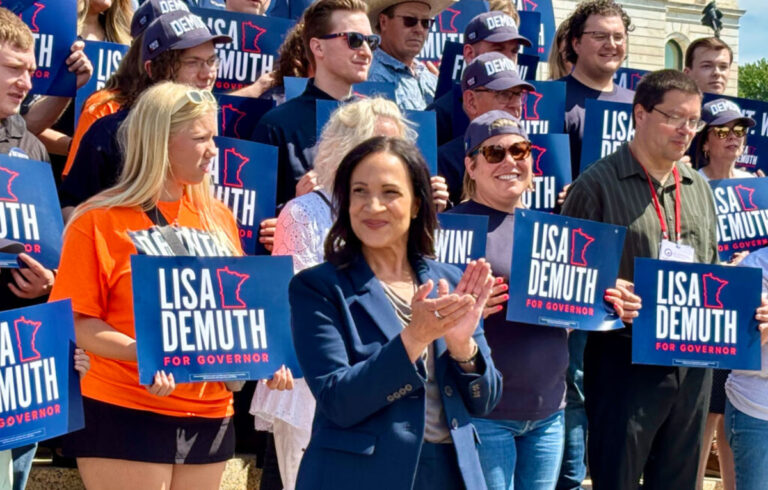
The race for the Minnesota governor’s mansion just saw a massive shift in financial momentum after a super PAC supporting Republican House Speaker Lisa Demuth received a ten million dollar cash injection. This surge comes via Restore Sanity, an organization that has become one of the most aggressive vehicles for outside spending in recent state history. The funds were funneled through the Restoration of America PAC, which is largely bankrolled by Wisconsin billionaires Richard and Elizabeth Uihlein, owners of a major shipping and packaging distribution empire. According to recently released finance reports, the Uihleins have emerged as power players in this cycle, donating seventy million dollars across various GOP causes nationwide.

This influx of capital is designed to erode the long standing financial lead held by Senator Amy Klobuchar, who is transitioning from a two decade career in the Senate to pursue the governorship. While Klobuchar has raised more than twelve million dollars independently and continues to enjoy support from heavy hitters like the Alliance for a Better Minnesota, the sudden arrival of millions from out of state suggests that national Republicans believe there is a viable path to victory. Restore Sanity has already poured several million into television and digital advertisements praising Demuth while simultaneously attacking Klobuchar’s record.

The contrast in funding strategies between the two candidates highlights their different approaches to the campaign. Demuth has utilized state public subsidies, receiving over a million dollars in exchange for agreeing to strict spending caps. Klobuchar chose to opt out of those subsidies specifically so she could continue raising unlimited sums from private donors. Despite these differing paths, both sides are now bracing for an expensive final stretch heading toward the November third election, with millions still sitting in reserve accounts ready to be deployed during the closing weeks.

Beyond the high profile battle for governor, this wave of spending reflects a broader struggle for total control of state government. With every single seat in the Minnesota Legislature up for grabs, both parties are pouring resources into legislative races to ensure they can implement their agendas without interference from the opposing caucus. As campaigns ramp up their advertising blitzes, it appears that Minnesota has become a primary target for big money interests looking to break decades of Democratic dominance in statewide elections.

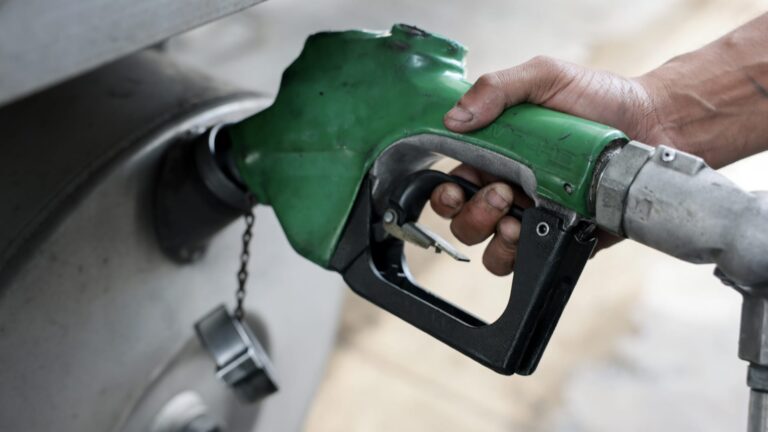
President Donald Trump is weighing the possibility of banning diesel exports in an effort to curb skyrocketing fuel costs, sparking a sharp warning from the oil industry that such a move would actually drive prices higher. Speaking on the sidelines of the United Nations General Assembly, Trump suggested that since the United States produces significant amounts of diesel, keeping those supplies domestic could provide relief to consumers. The proposal comes amid intense political pressure leading up to the November midterm elections, with Republican lawmakers like Senator Chuck Grassley urging an embargo to support struggling farmers in critical swing states like Iowa.

Industry leaders and economists are sounding alarms over what they describe as a counterproductive strategy. Mike Sommers, CEO of the American Petroleum Institute, argued that restricting exports would compound existing refining challenges and hurt consumers rather than helping them. Experts warn that while some areas might see a temporary dip in prices, refineries would eventually be forced to cut total production once storage tanks fill up. Because gasoline and diesel are produced together during the refining process, cutting diesel output would inevitably lead to a shortage of gasoline, potentially pushing pump prices toward record highs across most of the country.

The potential fallout extends beyond domestic borders and into complex international trade relationships. Analysts point out that while the U.S. sends diesel to Europe, it relies on European imports for gasoline. If Washington implements a ban, there is a significant risk that European partners could retaliate with their own restrictions on gasoline exports, which would devastate markets in the U.S. Northeast that depend heavily on foreign fuel. Some analysts suggest these disruptions could spike local fuel prices by as much as 30 cents per gallon almost immediately.

Despite these warnings, the administration remains under immense pressure as national averages show diesel costing nearly three dollars more per gallon than it did last year. While Energy Secretary Chris Wright has cautioned against using a blunt instrument like a full ban and suggests more nuanced restrictions may be better, Treasury Secretary Scott Bessent confirmed the White House is still studying whether any form of restriction is feasible. For now, officials say Trump is evaluating every option available to bring down prices before voters head to the polls this autumn.

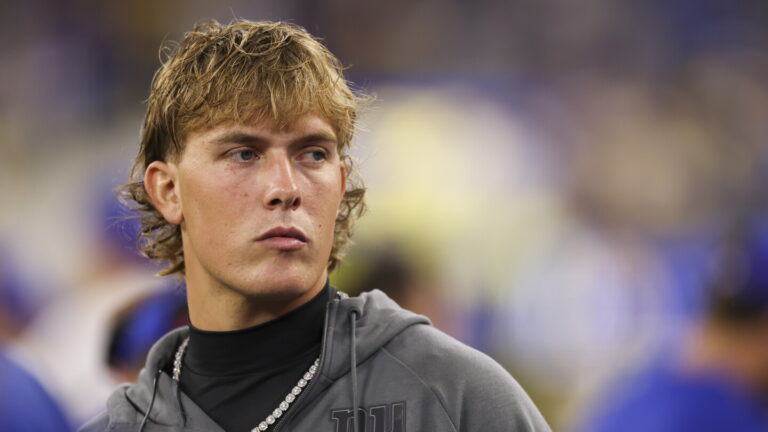
The New York Giants are facing a devastating blow to their offensive hopes following reports that quarterback Jaxson Dart may be out for the remainder of the season. While fans were initially hopeful after early indications suggested a manageable MCL sprain, recent MRI results revealed a much more severe knee injury than previously anticipated. The news comes as a jarring contrast to the optimism surrounding Caleb Williams of the Chicago Bears, whose own scary injury earlier this week proved to be far less serious than feared.

This development leaves head coach John Harbaugh in a precarious position, especially since he had originally described the damage as being in the neighborhood of a sprain during his post game remarks on Monday night. The timing could not be worse for a Giants squad that displayed significant promise during their opening week performance. Now, they must pivot quickly to avoid a total collapse of their momentum while dealing with one of the most critical vacancies any team can face.

With Dart sidelined, Jameis Winston steps into the starting role, though his recent performance provides little comfort to the fanbase. During his relief appearance on Monday night, Winston struggled significantly, managing just 11 completions on 27 attempts for 111 yards and throwing an interception. His inability to find rhythm under pressure raises immediate questions about whether he can lead the offense effectively over an extended stretch.

Adding to the crisis is the fact that the Giants currently lack depth at the position, with no other quarterbacks listed on their active 53 man roster besides Winston. While Jake Haener remains available on the practice squad, management is expected to aggressively scour free agency or pursue a trade with teams holding a surplus of talent. For a team looking to make some noise this year, finding a reliable replacement for Dart has suddenly become an urgent matter of survival.

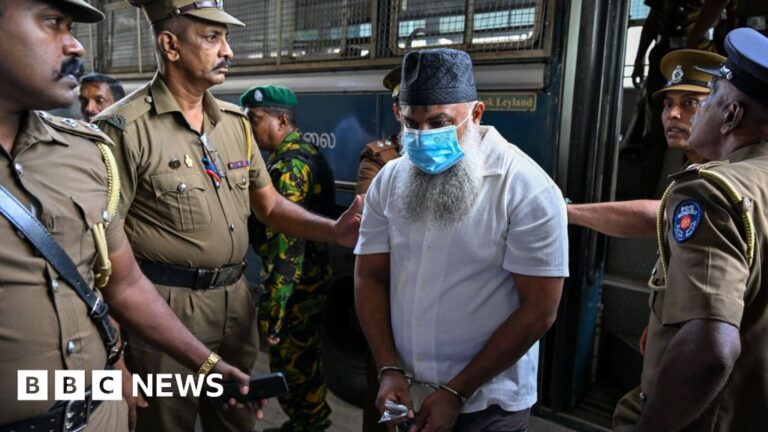
A high court in Colombo has delivered a landmark ruling by convicting 15 men involved in the coordinated Easter Sunday bombings of 2019. The devastating series of attacks, which targeted three churches and three luxury hotels, claimed 270 lives and left more than 500 others wounded. Among those found guilty is Naufer Moulavi, whom prosecutors identified as the mastermind behind the plot. While fifteen individuals were convicted, nine other defendants were acquitted during the proceedings.

The atmosphere surrounding the courthouse was tense as dozens of police officers and commandos provided heavy security for the arrival of the accused. Handcuffed in pairs and transported in prison buses, the men faced thousands of charges related to what remains the deadliest incident in Sri Lanka since its civil war ended in 2009. The tragedy took a global toll, killing forty five foreign nationals from countries including Australia, Japan, and Denmark, alongside countless local families and children whose lives were shattered in an instant.

Beyond the immediate perpetrators, the legal fallout has exposed deep systemic failures within Sri Lanka’s government. A major intelligence lapse was highlighted after it emerged that warnings from India regarding the imminent threat were ignored or mishandled. This failure led to previous rulings against former president Maithripala Sirisena and recent death sentences for two senior officials cited for criminal negligence, though such sentences are typically commuted to life imprisonment given a longstanding moratorium on executions.

Even now, questions linger about whether higher levels of power may have played a role in allowing the carnage to unfold. Ongoing investigations are currently targeting former intelligence chief Suresh Sallay amid allegations that he collaborated with extremists. These claims mirror theories suggested by international media that some political figures might have benefited from the subsequent crackdown on Islamist extremism to gain electoral favor. As these complex probes continue, the convictions offer a semblance of closure to victims who have spent years protesting in the streets demanding accountability.