Author

admin

Browsing

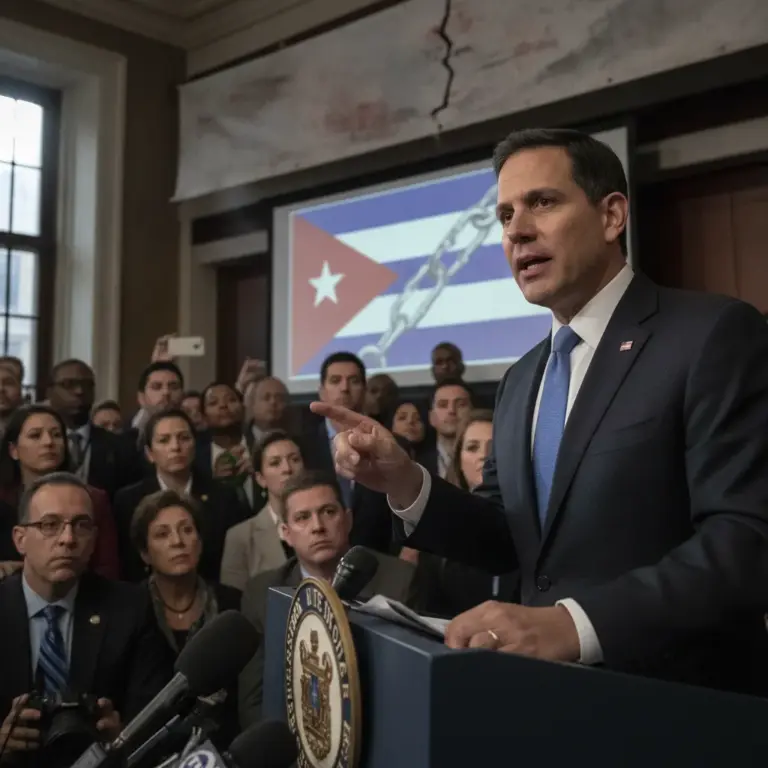
Secretary of State Marco Rubio issued a provocative call to action on Friday, urging Cuban citizens who are desperate for political reform to establish discreet partnerships with the CIA. Writing on social media, Rubio emphasized that current conditions of corruption and broken promises within the communist regime have created a unique window of opportunity. He encouraged those seeking positive change to leverage these secret channels to help reshape the future of the island.

While Rubio’s appeal was explicit in its encouragement, he stopped short of detailing any specific operations or explaining exactly how this intelligence cooperation would function on the ground. This hardline stance aligns with Rubio’s career-long history as a fierce critic of the Havana government, having consistently argued against normalizing relations unless significant democratic reforms were implemented first.

Adding to the tension, President Donald Trump hinted at a more assertive physical presence near Cuban waters during a recent campaign event in Fort Myers, Florida. While discussing tensions with Iran, Trump suggested that U.S. naval vessels might make a strategic stopoff just off the coast of Cuba. His comments painted a picture of overwhelming American strength intended to pressure the regime into submission.

In a lighter tone amidst the geopolitical maneuvering, Trump suggested that Rubio himself could be the man tasked with finalizing any eventual deal with the island’s leadership. Though the president spoke vaguely about putting Rubio in charge of figuring things out, it remains unclear whether these remarks signal a formal diplomatic strategy or are simply part of his characteristic rhetorical style. Neither the White House nor the Cuban embassy has provided official commentary on these developments.
The financial world is buzzing with speculation after Elon Musk suggested that a merger between Tesla and SpaceX could actually be a good idea. While Tesla’s recent earnings report painted a sobering picture of declining auto revenues and stumbling energy business, the numbers were quickly eclipsed by the possibility of combining the electric vehicle giant with the rocket pioneer. Musk revealed that both companies have already established special committees to look into the transaction, though he later attempted to play it cool during shareholder calls, claiming he had said everything necessary on the matter.

For many followers of the so called Muskonomy, the prospect of a single conglomerate blending humanoid robotics and autonomous cars with satellite internet and interplanetary travel feels like a natural evolution. However, Wall Street remains deeply divided. Some analysts argue that since Musk already treats both firms as parts of one ecosystem, an official merger offers little material benefit beyond consolidating his personal control. This skepticism manifested in immediate market volatility, with shares for both companies dipping as investors weighed the strategic logic against the sheer chaos of such a massive reorganization.

The path to a union is fraught with legal and logistical nightmares. At SpaceX, Musk holds overwhelming voting power, but at Tesla, he faces a much higher hurdle requiring majority approval from all shareholders. Beyond the boardroom, regulators pose an even larger threat. Legal experts point out that merging a company heavily reliant on Chinese manufacturing with another that handles sensitive U.S. military contracts via Starlink would trigger intense national security audits globally. China, in particular, may view thousands of Teslas acting as computers on wheels within its borders as a risk if tied directly to American aerospace interests.

Despite these obstacles, Musk has shown an increasing appetite for folding his ventures into one another, having recently linked xAI with X and SpaceX. Whether this proposed marriage is a genuine strategic pivot or simply another distraction from Tesla’s slowing growth remains to be seen. For now, shareholders are left wondering if they are investing in separate industry leaders or merely pieces of one sprawling empire governed by the whims of its singular architect.

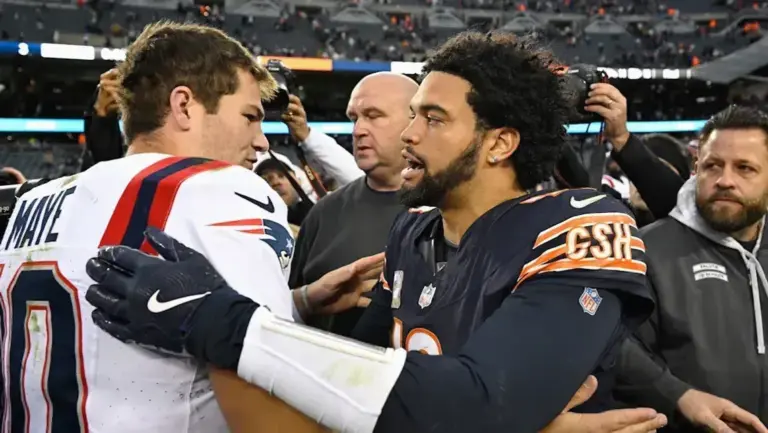
The NFL often spends years debating which rookie quarterback truly defines a draft class, but the narrative is shifting quickly ahead of Thursday night’s showdown. While the 2024 draft saw an unprecedented number of signal callers go early, Caleb Williams of the Chicago Bears and Drake Maye of the New England Patriots are rapidly separating themselves from the pack. With both teams sitting at 4-2, this primetime matchup offers a rare glimpse into the future of the league as two twenty four year olds battle for momentum in their respective playoff races.

For New England, the story is one of sudden acceleration. After a sluggish start to the campaign, Maye has found his rhythm, tossing ten touchdowns against just one interception over his last three outings. The Patriots are riding a three game winning streak that includes a statement victory over Buffalo, signaling that Maye has reclaimed the form that nearly earned him MVP honors last season. However, much depends on whether star receiver A J Brown can shake off a rusty return from injury; if Brown can provide a vertical threat to replace the injured Romeo Doubs, New England possesses an offense capable of scoring on anyone.

Chicago arrives at this contest with equal confidence but a slightly different trajectory. The Bears exploded out of the gate with fifty nine points in their opener before injuries to Williams forced them to rely on backup stability for several weeks. Now fully healthy and returning to action last Sunday, Williams looked dominant during large stretches of a win over Atlanta. Despite a late lapse that allowed the Falcons back into the game, Chicago’s offensive ceiling appears sky high when Williams is under center and connecting with targets like Colston Loveland and Luther Burden III.

While both clubs have eyes on January, the urgency differs by division. The Patriots remain locked in a tight chase with Buffalo in the AFC East, whereas Chicago finds itself in a wide open NFC North where every single team remains above .500. Because any slip up could derail their standings in such a competitive group, there may be slightly more pressure on the home side tonight. Given the current heat wave hitting both offenses, fans should expect a high scoring affair that validates why these two young stars were touted so highly coming out of college.

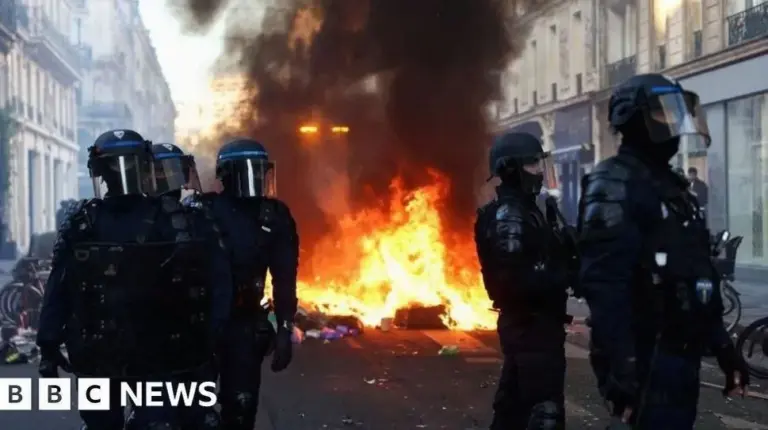
French authorities are moving to lock down several major cities this weekend as the government struggles to contain a surge of civil unrest. In Paris, officials have extended a partial curfew through Monday, specifically targeting hotspots like Place de la République and the Les Halles shopping district where previous clashes occurred. To further minimize risks, some of the capital’s most famous cultural landmarks, including the Louvre and Musée d’Orsay, will remain closed on Saturday while security forces brace for another wave of demonstrations.

The crackdown extends far beyond the capital, with Marseille and Lyon implementing total bans on protests to prevent a repeat of last weekend’s chaos. In an effort to stifle mobilization, public transport in Marseille will be suspended on Saturday, and regional governors have expanded curfews to include the general population in various southern and northern hubs. President Emmanuel Macron has signaled a hardline approach, stating that only authorized union marches will be permitted via approved routes, while all other non-union gatherings will be blocked wherever possible.

This escalation follows a period of intense volatility driven by anger over school conditions and the rising cost of living. While many initial marches began peacefully under the banner of students and yellow-vest activists, they quickly devolved into looting and arson. Significant damage was reported nationwide, including a brazen attack on Lyon’s tourism office that left police officers fighting for their lives inside city hall. Justice Minister Gérald Darmanin revealed that thousands have already been arrested, with hundreds processed through fast-track trials and sent straight to prison.

As France heads toward critical elections next spring, the political atmosphere remains fraught. Prime Minister Sébastien Lecornu has promised a massive increase in police presence to maintain order, though reports suggest some officers feel ill-equipped for such large-scale crowd control. Meanwhile, President Macron has condemned what he describes as seditious efforts by far-left groups intended to destabilize the Republic, framing the current security measures as necessary steps to protect the state from systemic collapse.

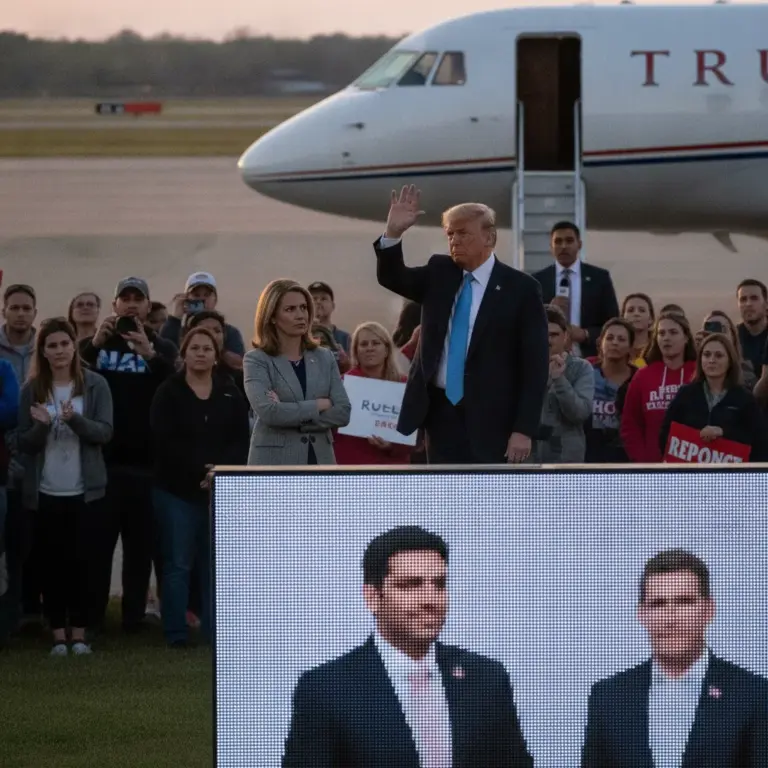
Donald Trump is traveling to Iowa this evening to energize Republican supporters and rally behind Representative Ashley Hinson, who is currently vying for a Senate seat. While the visit is intended to project party unity ahead of the midterms, the trip comes amid public disagreements between Trump and Hinson over aggressive campaign tactics. Specifically, Hinson has condemned a controversial advertisement run by Vivek Ramaswamy targeting opponent Amy Acton, calling the ad absolutely terrible due to its focus on family trauma. Despite these pleas for the ad’s removal, Trump defended the move during a White House briefing, dismissing Hinson’s concerns as mere opinion and accusing the media of bias.

Adding to the political volatility surrounding the former president’s circle is a developing legal situation involving Corey Lewandowski. A watchdog within the Department of Homeland Security has referred an investigation into Lewandowski to the Justice Department following questions about a massive advertising contract linked to former Secretary Kristi Noem and allegations concerning payments tied to the GEO Group. In a blunt response to reporters, Trump stated he had little knowledge of the specific accusations but insisted he would not obstruct any prosecution, noting that dishonesty among his staff constitutes a betrayal both of the country and himself personally.

While national headlines remain focused on leadership clashes and investigations, localized battles are intensifying across several swing states. In New Hampshire, Republicans secured a victory through the Supreme Court, which ruled that student IDs cannot be used for voting in November, potentially impacting a high stakes Senate race between John E. Sununu and Chris Pappas. Meanwhile, in Texas, Democrats like James Talarico are focusing heavily on mobilizing Black voters facing significant barriers at polling stations, while Alaskan voters report that soaring costs for fuel and groceries may ultimately decide their tight Senate contest.

The digital world breathed a collective sigh of relief this week as initial fears of a global internet collapse failed to materialize. Just twenty four hours after government agencies from the FBI to European intelligence services issued dire warnings that critical vulnerabilities in PHP could force websites offline, security experts report a surprising lack of widespread damage. While the panic was justified given that PHP powers nearly seventy percent of the web, early data suggests that hackers are struggling far more than expected to turn these theoretical holes into actual weapons.

Industry leaders including Google and Palo Alto Networks indicate that while they have detected hundreds of attempted proofs of concept, actual successful exploitations in the wild remain elusive. This unexpected stalemate is being attributed to a coordinated international effort to patch the flaws before they became public knowledge, combined with the sheer technical complexity of the breach. Even seasoned professionals spent entire days attempting to crack the code using advanced tools, suggesting that the gap between identifying a vulnerability and actually exploiting it remains significant.

Interestingly, the rise of artificial intelligence may have played an unintentional role in defending the perimeter. Experts noted that many common AI models used by bad actors lacked the sophistication required to navigate these specific architectural flaws, whereas high end tools available to defenders proved more effective. It appears that despite the hype surrounding automated hacking, genuine expertise is still required to execute complex attacks on modern web properties.

Despite the optimistic start, officials caution against complacency. Some executives warn that certain intrusions might occur silently, leaving attackers dormant inside servers without triggering alarms. For now, however, it seems a combination of rapid patching and hacker frustration has averted what could have been one of the most disruptive cybersecurity events in recent history.

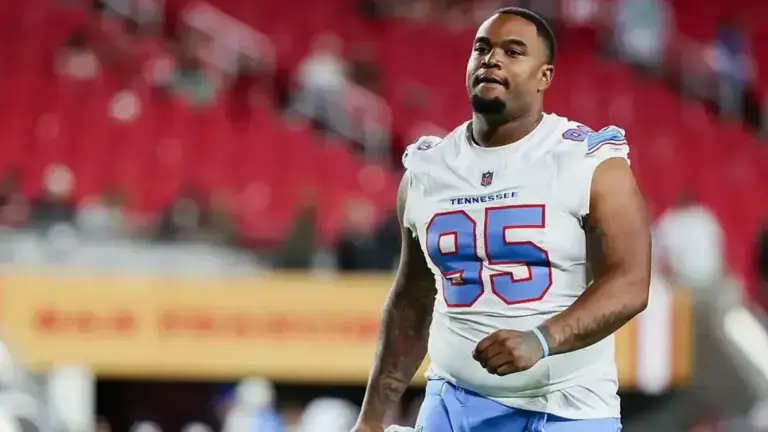
The Tennessee Titans have parted ways with defensive tackle Jordan Elliott following a disturbing sequence of events that began as a routine practice scuffle and escalated into a security crisis. What started as a typical clash between linemen turned volatile when Elliott engaged in a physical altercation with offensive tackle J.C. Latham. Witnesses say the two players grabbed one another, with Elliott reportedly grabbing Latham’s facemask, leading coaches to order him off the field due to his continued aggression.

While many practice fights end once the players leave the grass, this situation spiraled after it moved into the locker room. According to sources familiar with the matter, surveillance footage captured an enraged Elliott storming toward the players’ parking garage, where he approached his vehicle and retrieved what appeared to be a firearm. The potentially lethal situation was only avoided thanks to the quick intervention of teammates, most notably veteran offensive lineman John Franklin-Myers, who helped de-escalate the confrontation before anyone was harmed.

In a brief official statement, the organization confirmed they had conducted a review of the October 15 incident and decided that releasing Elliott was the necessary course of action. Although head coach Robert Saleh previously attempted to shield the player by telling reporters that Elliott was dealing with personal issues, the severity of the breach has left him without a job and facing an uncertain future in professional football.

Despite the gravity of retrieving a weapon on team property, reports indicate that the Titans have not filed formal police charges, though they have notified league officials about the event. Given the nature of the outburst, industry insiders suggest it is highly unlikely that another NFL club will take a chance on Elliott anytime soon, as teams generally avoid such significant liability risks within their locker rooms.

The UK government has officially greenlit drilling operations at the Jackdaw gas field in the North Sea, ending a prolonged period of legal battles and political deadlock. Located roughly 150 miles east of Aberdeen, the project was originally sanctioned by the previous Conservative administration but was stalled by a Scottish court ruling which found that carbon emissions had not been sufficiently considered. Now, Prime Minister Andy Burnham has pushed the venture forward, citing a need to bolster national energy security amidst volatile global markets driven by conflicts involving Iran.

Burnham defended the decision as a necessary balancing act, arguing that maximizing domestic reserves is essential to protecting jobs and keeping millions of homes warm during the upcoming winter months. While acknowledging the nation’s long term goal of reaching net zero by 2050, he emphasized that oil and gas will remain critical components of the energy mix for decades. This pragmatic stance follows reported pressure from US President Donald Trump to ramp up North Sea production. Energy Minister Miatta Fahnbulleh added that gas from the site could reach consumers by the end of this month, potentially boosting domestic production by six percent over an eleven year lifespan.

Industry giants like Shell and Equinor have praised the move as a victory for regulatory stability and investment predictability. However, environmental advocates have reacted with outrage, labeling the approval as climate vandalism. Groups such as Greenpeace argue that continuing to lean on fossil fuels keeps Britain tethered to unpredictable petrostates and exacerbates extreme weather patterns. Critics further pointed out that because gas prices are dictated by global markets rather than local supply, it remains unclear if Jackdaw will actually lower household utility bills.

To soften the blow of approving another fossil fuel project, the government simultaneously unveiled a two billion pound Energy Wealth Fund designed to funnel profits from oil and gas into clean energy transitions. This strategic pivot comes at a precarious time for climate goals; recent UN reports suggest global warming is trending far beyond Paris Agreement targets, while the UK continues to grapple with record breaking summer heatwaves. Despite these warnings, the current administration insists that bridging the gap between immediate survival and future sustainability requires utilizing every available resource beneath the seabed.

Texas has long been considered safe territory for Republicans in statewide contests, but a new Fox News poll suggests that streak may be under genuine threat. In the high stakes race to replace Senator John Cornyn, Democrat James Talarico and Republican Ken Paxton are locked in a dead heat, with both candidates sitting at 49 percent among likely voters. While Talarico held a slim lead last month, Paxton has managed to consolidate support among rural voters and conservative bases following his primary victory.

The divide between the two candidates mirrors the deep cultural and geographic splits within the state. Talarico maintains commanding leads among urban residents, Black voters, and younger citizens under 30. Meanwhile, Paxton holds a firm grip on white evangelical Christians and older voters aged 65 and up. One of the most significant shifts appearing in the data is among Hispanic voters, who are swinging back toward the Democrats by a wide margin after showing signs of drifting toward the GOP during the previous presidential cycle.

Despite the deadlock in the Senate race, Republicans appear to have more comfortable footing elsewhere on the ballot. Governor Greg Abbott continues to hold a five point edge over his challenger, Gina Hinojosa, suggesting that some voters are splitting their tickets. However, anxiety over personal finances is playing a major role in voter sentiment, with far more Texans reporting that they are worse off financially than they were two years ago. Those feeling the economic pinch are breaking heavily for Talarico.

Ultimately, analysts believe the outcome will depend on turnout and party loyalty rather than sudden swings in popularity. While Talarico enjoys slightly better overall favorability ratings, Paxton performs significantly better among double haters who dislike both options. With Democrats currently showing higher levels of enthusiasm for heading to the polls, the final result may come down to whether disaffected Republicans feel motivated enough to turn out for Paxton or if they prefer to cross party lines entirely.

A wave of digital outages swept across the globe this week as governments and major organizations scrambled to protect themselves from two critical security holes in PHP, a programming language that serves as a foundation for a vast portion of the internet. The situation became so urgent that national security agencies in the United States, Finland, and the Netherlands advised organizations to take their entire websites offline if they could not immediately apply a newly released emergency patch. This precautionary blackout left everything from Finnish public services and the Dutch parliament’s website to various BBC program pages and parts of Wikipedia momentarily inaccessible.

What makes this crisis particularly striking is how the vulnerabilities were uncovered. Researchers at cybersecurity firms Wiz and Calif utilized advanced artificial intelligence tools provided through an OpenAI initiative to spot flaws that had remained hidden for over a decade. Experts describe these gaps as some of the most severe ever detected by AI, noting that they could give hackers a direct path into a server’s private files or databases without requiring any login credentials. Some estimates suggest that up to seventy percent of the web relies on PHP, meaning millions of sites ranging from small blogs to massive corporate portals were suddenly exposed.

The urgency reached a fever pitch when details about the flaw leaked onto social media, forcing the PHP Foundation to accelerate its official warning and repair schedule. Cybersecurity specialists warn that because PHP is often embedded deep within other software like WordPress or hosting platforms, many companies might not even realize their systems are at risk. With reports already surfacing of early attack attempts, experts are urging administrators not only to update their software but to scan their systems for evidence that intruders may have already slipped through the cracks during the window of exposure.