
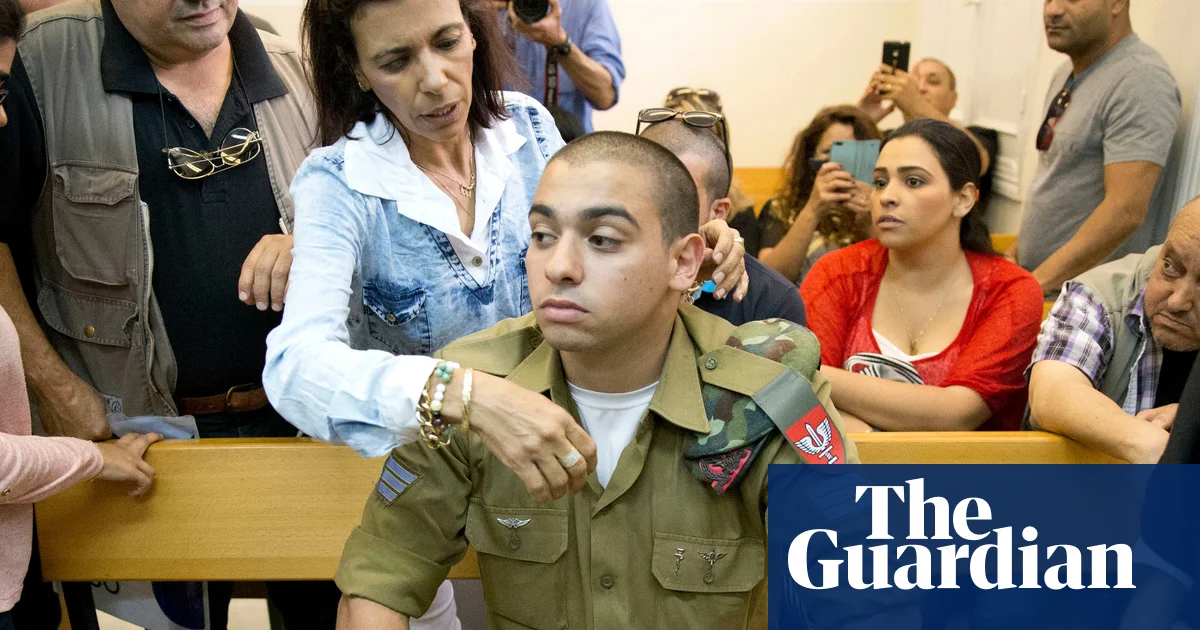
Israeli President Isaac Herzog has officially pardoned Elor Azaria, the former combat medic whose actions during a confrontation in the West Bank sparked a nationwide debate over military ethics and justice nearly a decade ago. The decision follows a recommendation from Defense Minister Israel Katz and comes just ahead of Yom Kippur, the Jewish Day of Atonement. While the presidential office clarified that the pardon does not represent a legal reassessment of the original case, they noted that Azaria had expressed sorrow in his request and highlighted the significant amount of time that has passed since his conviction.
The incident dates back to a chaotic scene in Hebron where Azaria shot and killed Abdel Fattah al-Sharif. Al-Sharif had previously stabbed an Israeli soldier but was lying unarmed and severely wounded on the ground when Azaria approached him and fired a fatal shot to the head. This moment was captured on a mobile phone video, leading to a high profile trial in 2017 where Azaria was convicted of manslaughter. At the time, prosecutors pushed for a much harsher sentence, but he ultimately served two thirds of an eighteen month term before being released.
The fallout from the case exposed deep fractures within Israeli society and its leadership. Many members of the public viewed Azaria as a scapegoat acting under extreme stress during a wave of terror attacks, while others saw his actions as a cold blooded execution. The tension became so acute that it eventually contributed to the resignation of then defense minister Moshe Ya’alon. Even now, opinion remains split; National Security Minister Itamar Ben Gvir praised the pardon as an emotional victory, whereas some human rights organizations and Palestinian officials have long argued that any punishment given to Azaria was far too lenient.
Despite the official pardon, internal disagreements persisted even within current security circles. Reports indicate that Lieutenant General Eyal Zamir opposed granting the pardon in a letter sent to the defense ministry. However, those supporting Azaria point to the complex nature of operational missions in conflict zones as justification for leniency. For his part, Azaria has remained steadfast about his choices in previous interviews, suggesting he would behave similarly if placed in the same situation again despite later referring to the shooting as an operational error during his plea for clemency.